Survive The Slope Bones & Damage Explained
Understand the skeleton resource that ends every Survive The Slope! run—and how to keep it intact longer.
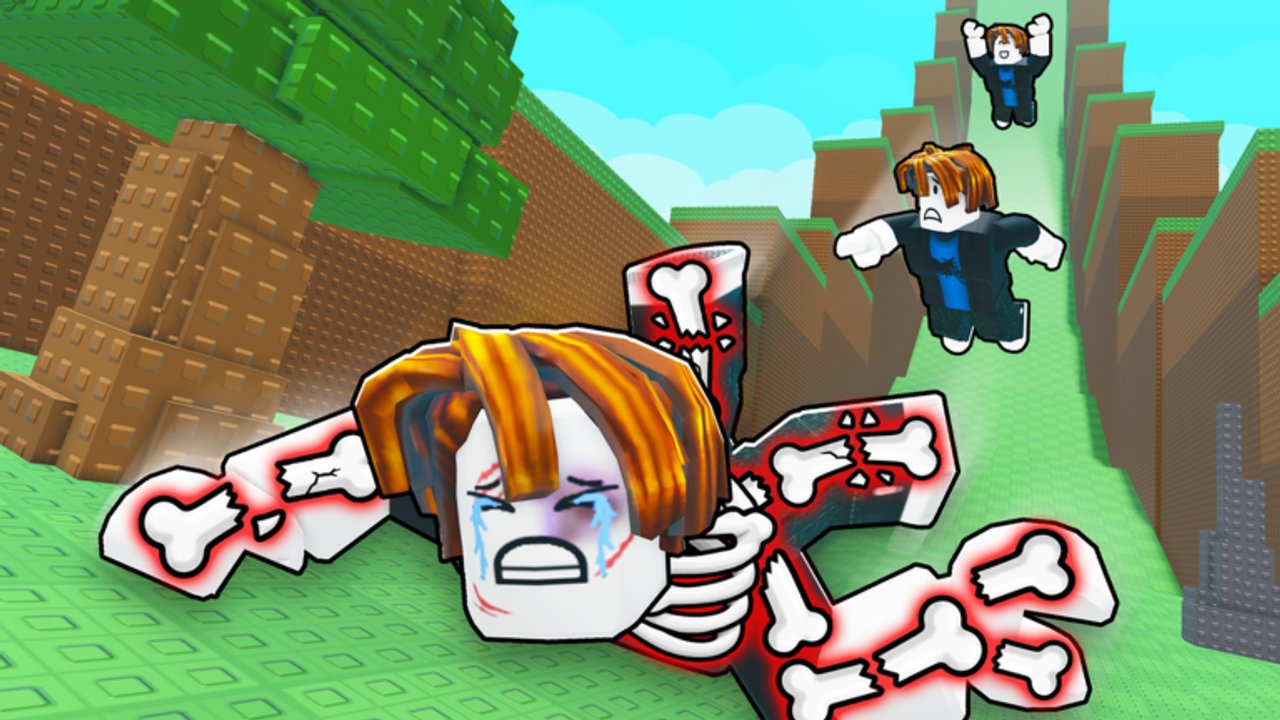
In Survive The Slope!, bones are not flavor text—they are the run’s health system. You slide down the mountain, collide with obstacles or terrain mistakes, and each serious impact damages your skeletal integrity. When all bones are broken, the attempt ends and distance converts to cash. Mastering that resource is the difference between a short slapstick clip and a real progression session.
This guide explains how to think about bone damage inside the StarBite Bones physics loop (ops support: BCH Studios), how upgrades and the optional 2x Health pass interact with it, and how to stop treating every crash as unavoidable RNG.
The failure rule (memorize this)
All bones broken = game over for the run.
You can still earn cash for the distance you achieved, but the slide itself is finished. There is no “finish line revive” fantasy in the base loop described across this wiki. Play every second as if the next unnecessary chip hit might be the one that closes your attempt.
What a “hit” usually costs you
Without inventing fake internal formulas the developers have not published, players should model hits in three practical buckets:
- Glance / chip — small steering mistakes or side scrapes. Alone they feel survivable; stacked they delete margin.
- Solid collision — hitting a major obstacle with speed. Often breaks a meaningful chunk of remaining integrity.
- Chain crash — bouncing from one object into another because you panicked. This is how healthy-looking runs suddenly end.
Your job is not zero hits forever. Your job is fewer chips, almost no chains, and upgrades that forgive a mistake.
Why bones change decision-making mid-run
Early in a run with full integrity, you can take a slightly assertive line to learn a pattern. Mid-run with half your bones gone, the same line is reckless. Late-run with one mistake left in the tank, you should pick the boring open lane every time.
That dynamic is why High Distance Tips talks so much about risk budgets. Bones are the budget.
Reading damage feedback
Use whatever feedback the live client gives you—visual bone state, HUD indicators, impact audio, camera punch, or on-screen flashes. After each impact, force a one-beat reset:
- Stop mashing left/right.
- Re-center on a recoverable line.
- Re-scan two obstacles ahead.
- Only then resume aggressive optimization.
Players who skip step 1 turn one chip into a chain crash. Rehearse the reset on purpose during farm sessions described in How to Play.
Upgrades that protect bones
Cash upgrades that increase effective health, damage resistance, or related tank stats are S-tier early for a reason—see the Upgrades Tier List. They do not make you invincible. They buy time to learn and time to cash out.
Practical spend logic:
- If you die to many small hits, buy tankiness and improve steering discipline (Controls).
- If you die to one huge crash, buy tankiness and slow your lines; speed trees can wait.
- If you rarely get hit but earn slowly, shift toward cash multipliers after a health baseline exists (Upgrades Guide).
Game pass interaction: 2x Health
The 2x Health (149 Robux) pass is the official survivability accelerator. Community ranking on the Game Passes Tier List often places it first for newer players because it extends practice time per run. It is still not a substitute for lane reading. Think of it as thicker padding on the same skeleton rules.
2x Cash helps you buy bone upgrades faster but does not prevent fractures by itself. Auto Spin does not affect bones at all.
Common bone myths
- “Hits are pure RNG.” Some variance exists in physics games, but repeated wall oscillation is a skill issue.
- “More speed always helps.” Speed raises both distance potential and impact severity of mistakes.
- “Scripts can godmode bones safely.” Claimed godmode tools are unverified for this title and risky—see Scripts and Script Safety.
- “Other Slope games work the same.” Classic Slope and name-alike titles may use lives, shields, or instant fail on any touch. Survive The Slope! centers a breakable bone economy—play accordingly.
Training drills that respect the skeleton
- Chip awareness drill: play a run where your only goal is zero scrapes in the first third of the slope.
- Post-hit stillness drill: after any hit, count a short beat with minimal steering before optimizing again.
- One-lane loyalty drill: pick left or right early in a section and refuse chaotic mid-lane wiggles.
- Damage journal: after five runs, write the cause of death; buy the upgrade that answers the most common cause.
These drills raise average distance even before leaderboard obsession starts.
Bones and upcoming content
Items and Races updates may introduce new modifiers, loadouts, or modes that interact with survivability. When that happens, re-read this page alongside Updates and re-test how quickly integrity drops in the new content. Do not assume old padding values forever.
Related pages
- Getting Started — early health priorities
- How to Play — when to play safe vs assertive
- Upgrades Guide — buying padding efficiently
- High Distance Tips — managing low-bone endgame pressure
- Tier List Hub — health vs cash vs passes
Frequently Asked Questions
Quick answers for Survive The Slope players.
What happens when all bones are broken?
The run ends. You receive cash based on distance earned, then return to lobby progression and upgrades.
Do small scrapes matter?
Yes. Chip damage stacks. Many short scrapes can finish a run as surely as one dramatic crash.
What upgrade helps bones the most?
Early bone health / tankiness ranks. Pair them with better steering so you take fewer hits in the first place.
Is 2x Health the same as infinite bones?
No. It improves survivability as an official game pass, but collisions can still end the run. Skill remains required.
Can a script stop bone damage?
There are no verified safe godmode scripts listed on this wiki. Third-party tools risk malware and bans—see Script Safety.