Survive The Slope! Map & Course Overview
How to mentally segment the mountain—landmarks, chokes, and recovery zones—without inventing unofficial map names.
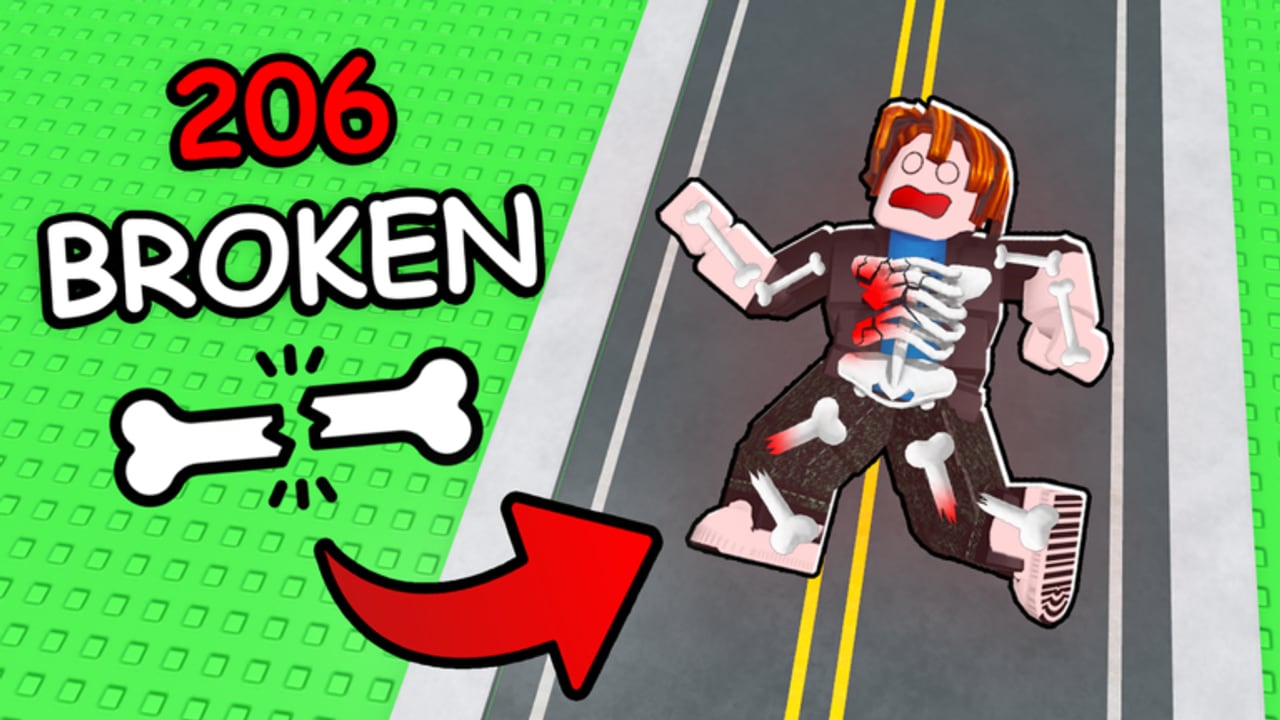
Survive The Slope! does not play like an open-world checklist map. It plays like a continuous physics course: speed rises, space narrows, and your job is to keep bones intact while distance ticks up. This page teaches landmark thinking—how to segment the slope into readable chunks—so you can talk about routes with friends, farm more consistently, and die less to the same surprise prop.
We will not invent fan-made sector names pretending to be official StarBite Bones cartography. Use the live silhouettes you see in-game, then attach your own notes. Pair this overview with Obstacles & Hazards, Controls, and Bones & Damage.
Mental model of the course
Think in four overlapping bands rather than a tourist brochure:
| Band | Player job | Common failure |
|---|---|---|
| Opening | Stabilize, bank integrity | Ego cuts, oversteer |
| Mid | Hold a lane contract through denser reads | Oscillation, late reactions |
| Pressure / late | Spend remaining bone budget wisely | Greed after a near-miss |
| End / wipe | Learn the death tile, reset cleanly | Instant rage restart with no note |
Cash still comes from distance. Cleaner landmark reads raise median distance, which funds upgrades faster (Cash Farm).
Landmark thinking (how to take notes)
After each death, write one line:
- What did the silhouette look like? (wall, gap, clutter cluster, bounce prop)
- When did I first see it? (early / late)
- What input caused the fail? (held turn, panic swipe, crossing the full width)
- What is the safe answer next time? (bias left, pre-steer, slow the correction)
Five deaths with notes beat twenty silent retries. In a max-six player server you can also watch someone else’s line through the same silhouette—without mirroring a suicidal diagonal.
Opening stretch habits
The opening teaches whether today’s latency and sensitivity feel normal:
- Prefer center-ish posture with light corrections (Controls).
- On mobile, lock landscape and reduce notification noise (Mobile Tips).
- Do not invent a “pro opener” on a push attempt until it lands repeatedly in farm mode.
- Treat early chips as expensive—those bones are late-slope insurance.
If you cannot survive the opening cleanly, stop buying speed-oriented upgrades and re-read Getting Started.
Mid-course chokes and lane contracts
Mid slope is where landmark discipline pays rent. Pick a lane contract before the section: “bias left unless a hard blocker appears,” for example. Contracts prevent the left-right flutter that clips walls.
When a choke appears:
- Pre-steer earlier than feels necessary.
- Commit; do not mid-gap cancel into a second idea.
- If you clip, micro-pause, then re-enter a safe lane—do not “make up time.”
Obstacle recognition detail lives on Obstacles. This map page is about sequencing those answers across the mountain.
Late slope: space as a resource
Late distance is often a visibility and composure problem more than a secret path problem. Ask:
- How many mistakes can I still afford?
- Is the open lane wider than the stylish gap?
- Am I crossing the full width for style points?
High Distance Tips covers attempt structure; use landmarks to decide where your “no hero cuts” rule begins each run.
Multiplayer traffic on the same course
With up to six avatars, the course gains moving soft obstacles:
- Do not assume a stranger will hold a lane for you.
- In Races, friends become both teachers and traffic.
- Passing someone mid-choke is optional; surviving the choke is not.
Leaderboard climbing still happens on your line quality more than on drafting (Leaderboard).
How updates change the “map” without renaming it
The mountain can feel new when:
- Items (~16 Sep 2026 window) change how you answer a familiar silhouette (Items guide).
- Physics or prop tweaks land in hotfixes (Updates Hub).
- You switch from PC to phone and lose foresight.
Re-learn one landmark at a time after patches. Do not rewrite your entire route book in a single tilted night.
Using video without copying unsafe lines
Creator videos (including embeds elsewhere on this wiki) are useful for silhouette vocabulary, not for blind route plagiarism. Watch where they pre-steer, not only the final score flash. If a clip uses passes or items you lack, adjust expectations.
Related pages
- Obstacles & Hazards — recognition and recovery
- Bones & Damage — integrity budget across landmarks
- Controls — input clarity for early reads
- Players Hub — systems index
- High Distance Tips — push habits on the same course
Frequently Asked Questions
Quick answers for Survive The Slope players.
Is there an official Survive The Slope! minimap with named zones?
This wiki does not publish invented official zone names. Use landmark notes from what you see in the live course and update them after patches.
How do I get better at reading the slope?
Play in landscape on mobile, pre-steer earlier, keep death notes per silhouette, and study Obstacles alongside this overview.
Why do I die at the same spot every run?
You likely lack a lane contract for that choke or you panic after the first scrape. Write the fail input, then rehearse the safe answer in farm mode.
Do other players change the course?
Physically the props are shared, but up to six avatars add traffic. Treat other players as soft obstacles near chokes.
Should map knowledge come before upgrades?
Both matter. Landmark reads raise median distance; upgrades raise forgiveness. Fix repeated silhouette deaths before buying pure speed.
Where should I go next?
Read Obstacles for hazard detail, Bones for integrity, and Controls if input noise is hiding landmarks from you.